Defect Liability Period Malaysia: Complete Guide to Inspecting Your New House Before It's Too Late
Buying a new house or condominium is one of the largest financial commitments most Malaysians will ever make. Whether it is a landed property, serviced apartment, or high-rise condominium, buyers expect their newly completed home to be delivered in good condition and free from defects. Unfortunately, this is not always the case. Construction defects are relatively common in new developments due to workmanship issues, material defects, or installation errors during the construction process.
This is why the Defect Liability Period (DLP) in Malaysia plays an essential role in protecting property buyers. The Defect Liability Period is a specific timeframe after the developer hands over the property to the purchaser. During this period, the developer remains responsible for repairing construction defects reported by the homeowner.
However, many homeowners fail to take full advantage of the Defect Liability Period Malaysia protection. Some assume their new house is already in perfect condition, while others simply do not know what to inspect. As a result, hidden issues such as water leakage, hollow tiles, plumbing defects, or poor workmanship may only become noticeable after the DLP expires. When that happens, the cost of repair becomes the homeowner's responsibility.
Conducting a proper house defect inspection in Malaysia during the DLP is therefore critical. A systematic inspection allows homeowners to identify defects early, report them to the developer, and ensure repairs are carried out before the Defect Liability Period ends. This guide explains how the DLP works in Malaysia, what homeowners should inspect after vacant possession, and why professional inspection services can help protect your property investment.
1. What Is the Defect Liability Period in Malaysia?
Legal Definition and Duration
The Defect Liability Period (DLP) in Malaysia refers to the period after a property is handed over to the purchaser when the developer is legally responsible for repairing defects related to construction quality, workmanship, or materials.
The Defect Liability Period is typically stated in the Sale and Purchase Agreement (SPA) between the buyer and the developer. For residential properties governed by the Housing Development (Control and Licensing) Act 1966, the standard DLP duration is 24 months from the date of vacant possession.
This means homeowners have two years to identify and report defects in their property. Once defects are reported within the DLP timeframe, the developer must arrange for repairs without charging the homeowner.
Developers are obligated to rectify defects within a reasonable period after receiving the defect report. Failure to do so may allow homeowners to pursue legal remedies or escalate the issue through the relevant authorities.
Purpose of the Defect Liability Period
The purpose of the Defect Liability Period Malaysia is to ensure that newly completed properties meet acceptable construction standards. Even though developers are expected to deliver properties that comply with building specifications, construction projects often involve multiple contractors and subcontractors. This can result in workmanship issues or installation errors that only become visible after the building is completed.
The DLP therefore acts as a safeguard for property buyers. It ensures that defects arising from construction or installation issues are corrected by the developer rather than the homeowner.
Typical defects covered during the DLP include:
- Wall cracks and plastering defects
- Roof leakage and waterproofing failure
- Hollow tiles and uneven flooring
- Faulty plumbing installations
- Misaligned doors and windows
Why the Defect Liability Period Is Important for Homeowners
Many homeowners assume that newly completed houses should be defect-free. In reality, defects are common in new developments, particularly in large housing projects where construction is completed within tight timelines.
Without a proper house defect inspection in Malaysia, many issues may remain unnoticed until they develop into more serious problems. Water leakage, for example, may start as a minor damp patch but eventually lead to ceiling damage, mould growth, or structural deterioration.
Conducting a thorough inspection during the Defect Liability Period Malaysia allows homeowners to:
- Identify construction defects early
- Ensure developers fulfil their repair responsibilities
- Prevent costly repairs after the DLP expires
Taking action early helps homeowners maximise the protection provided by the Defect Liability Period.
2. What Happens During Vacant Possession (VP)?
Understanding Vacant Possession
Vacant possession is the stage when the developer officially hands over the property to the buyer. This typically marks the beginning of the Defect Liability Period in Malaysia.
When homeowners receive vacant possession, they are given access to their property along with the keys and important documentation. The developer will normally provide instructions on how to submit defect reports and may include defect reporting forms.
Although the property is considered ready for occupation at this stage, it does not necessarily mean that the property is completely free from defects. Many defects are only discovered when the property is inspected carefully.
For this reason, it is highly recommended that homeowners conduct a vacant possession inspection immediately after receiving the keys.
Initial Inspection Process
A proper inspection should cover all areas of the property. This includes the interior finishes, structural components, plumbing systems, windows, doors, electrical installations, and roofing systems.
During a house defect inspection in Malaysia, homeowners should check for:
- Cracks on walls, ceilings, or beams
- Hollow tiles on floors or walls
- Water leakage signs around ceilings or windows
- Uneven flooring or water ponding in bathrooms
- Door and window alignment issues
It is important to document all defects carefully. Homeowners should take clear photographs of each issue and record the location of the defect. These records will form part of the defect list submitted to the developer.
Timeline for Defect Reporting
Although the Defect Liability Period in Malaysia typically lasts 24 months, homeowners should report defects as early as possible. Early reporting allows the developer sufficient time to schedule repairs and prevents defects from worsening over time.
Some homeowners delay inspections until they are ready to move into the property. However, this approach can reduce the time available for repairs during the DLP. Conducting an inspection soon after vacant possession ensures that defects are identified while the property is still new.
3. Common Defects Found in New Houses in Malaysia
Many people assume that new houses should be flawless, but construction defects are relatively common. During a house defect inspection in Malaysia, inspectors frequently encounter issues related to workmanship, installation, and material quality.
Structural and Wall Defects
Wall cracks are among the most frequently reported defects in new properties. Some cracks are cosmetic, while others may indicate structural movement. Common examples include:
- Hairline cracks due to plaster shrinkage
- Uneven plastering on walls
- Cracks around window frames
- Structural cracks in beams or columns
While hairline cracks are usually minor, wider cracks may indicate underlying structural issues that require further investigation.
Water Leakage and Waterproofing Problems
Water leakage is another major issue commonly discovered during vacant possession inspection. Typical problems include:
- Roof leakage caused by poor waterproofing
- Ceiling dampness from upper-floor units
- Bathroom waterproofing failure
- Water ponding on balconies or bathrooms
These problems can lead to mould growth, damage to interior finishes, and long-term structural deterioration if left untreated.
Finishing and Workmanship Defects
Poor finishing quality is also frequently identified during a house defect inspection in Malaysia. Examples of finishing defects include:
- Hollow tiles caused by improper tile installation
- Uneven tile alignment
- Paint peeling or uneven finishing
- Misaligned doors or windows
- Loose fittings and fixtures
Although some finishing defects may appear minor, they can affect the overall quality and appearance of the property.
4. Why Professional House Inspection During DLP Is Important
While homeowners can perform basic checks themselves, a professional house defect inspection in Malaysia can significantly improve the chances of detecting hidden defects.
Identifying Hidden Defects
Professional inspectors are trained to identify construction defects that homeowners may overlook. They follow systematic inspection procedures that cover structural elements, finishes, and building systems.
Some defects are not immediately visible to the untrained eye. For example, moisture trapped behind walls or ceilings may indicate hidden water leakage. Without proper inspection, these issues may remain undetected until serious damage occurs.
Use of Specialised Inspection Tools
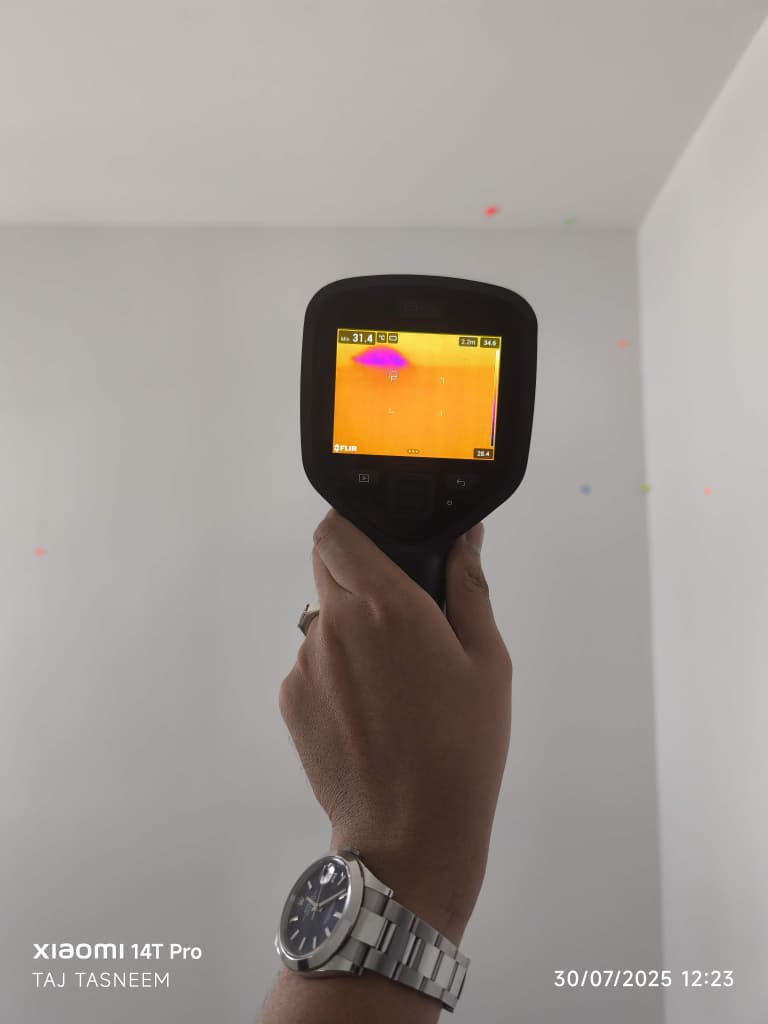
Professional inspectors also use specialised equipment that allows them to detect problems more accurately. Common tools used during house defect inspection in Malaysia include:
- Moisture meters for detecting hidden moisture
- Thermal imaging cameras to identify water intrusion
- Drones to inspect roof areas safely
These technologies help inspectors identify issues that cannot be detected through visual inspection alone.
Comprehensive Inspection Reports
Another advantage of professional inspection is the preparation of a structured defect report. A professional inspection report typically includes detailed descriptions of defects, photographs, and location references.
This report can be submitted to the developer as part of the defect list during the Defect Liability Period in Malaysia. Having a well-documented report strengthens the homeowner's request for repairs and ensures that all issues are recorded properly.
5. What to Do If the Developer Fails to Repair Defects
Although developers are responsible for repairing defects during the DLP, delays sometimes occur. Homeowners should know the steps they can take if developers fail to address reported defects.
Following Up with the Developer
Homeowners should maintain proper documentation of all communications with the developer. This includes defect reports, emails, letters, and repair schedules.
If repairs are delayed, homeowners should send written reminders to the developer requesting an update on the repair timeline. Keeping clear records helps protect homeowners if the issue needs to be escalated later.
Homebuyer Rights Under Malaysian Law
Homebuyers in Malaysia are protected under the Housing Development (Control and Licensing) Act 1966 as well as the terms stated in the Sale and Purchase Agreement.
These regulations require developers to repair defects reported during the Defect Liability Period Malaysia. Developers are expected to rectify these issues within a reasonable timeframe after receiving the defect report.
Escalation Options for Unresolved Defects
If developers fail to carry out repairs, homeowners may escalate the matter through legal channels:
- Filing a claim with the Tribunal for Homebuyer Claims Malaysia
- Seeking legal advice regarding enforcement of SPA obligations
- Submitting complaints to relevant housing authorities
Taking action early ensures that homeowners can enforce their rights and ensure that defects are rectified properly.
Conclusion
The Defect Liability Period Malaysia provides an important opportunity for homeowners to ensure that their newly completed property meets acceptable construction standards. During this period, developers are responsible for repairing defects related to workmanship, materials, or installation issues.
However, the protection provided by the Defect Liability Period is only effective if homeowners take proactive steps to inspect their property and report defects early. Without a proper house defect inspection, many issues may remain hidden until the DLP expires.
By conducting a systematic inspection after vacant possession and documenting all defects carefully, homeowners can ensure that developers fulfil their repair responsibilities. In many cases, engaging a professional inspection service can further improve defect detection and provide a comprehensive report that supports defect claims.
Ultimately, understanding the Defect Liability Period and carrying out a thorough inspection helps homeowners protect their investment and ensure that their property remains safe, functional, and comfortable for years to come.
Related Articles
Late Vacant Possession in Malaysia: How Homebuyers Can Claim LAD from Developers
A late vacant possession in Malaysia can cause significant financial pressure for homebuyers. Learn how LAD compensation works and the steps to claim it from developers.
Read MoreDeveloper Not Fixing Defects in Malaysia? Your Legal Rights During the Defect Liability Period
Many homeowners discover construction defects but face developers who delay or ignore repairs. Learn your legal rights during the DLP and how to file a tribunal claim.
Read MoreSchedule Your Professional Home Defect Inspection Today
Identify hidden property defects before your warranty expires. Our professional inspectors help homeowners prepare defect reports for developer rectification and tribunal claims.